Human Trafficking Awareness Month

Slavery 3

Slavery 1

Slavery 2

slavery 4

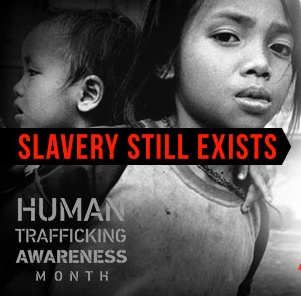
When it comes to the term “human trafficking,” what springs to mind for many of us is a disturbing and heart-wrenching, but far-off, reality. We picture human trafficking as an ugly practice that must be stopped in third-world countries. But with January being legally declared “Human Trafficking Awareness Month” in the United States, we must face the fact that it happens all over the world, and to a much larger degree in our own country than we might believe.

It doesn’t get much more “All-American,” than the Super Bowl, right? But a sobering article brings to light the dangerous undercurrent to the famed event in recent years. The Super Bowl attracts millions of viewers, inspires multimillion-dollar commercials and hearty recipes galore—and sets the stage for the “single largest human trafficking incident in the United States.” Prostitutes are brought in from all over the world to be used for men attending the game, and when they are underage, like many are, it is considered human trafficking. This practice happens at large events, sports related or otherwise, all over the United States. Young women, and men, are abducted and forced into a life that often yields no escape.

Human trafficking is defined as a ”modern form of slavery, with illegal smuggling and trading of people, for forced labour or sexual exploitation.” The single largest locations in our country for human trafficking are California and Texas, due to their large immigrant populations and status as international travel hubs. Southern California, with its location close to the border of Mexico, sees a particularly alarming amount.

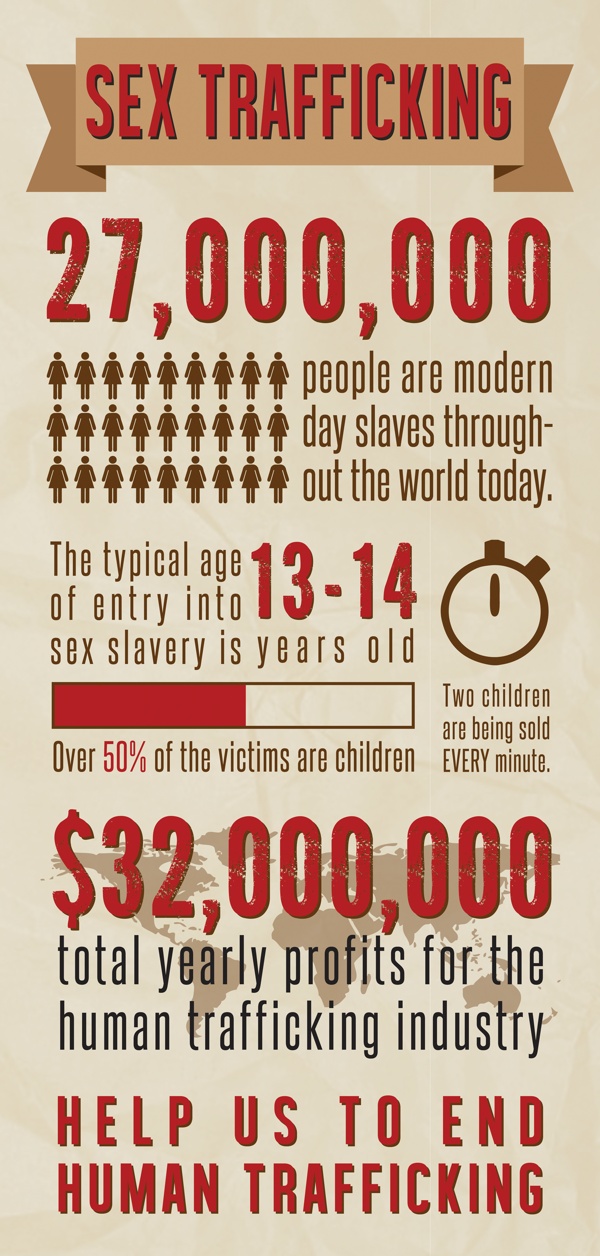
According to Wikipedia: The findings of the U.S. Department of Justice’s 2011 report, “Characteristics of Suspected Human Trafficking Incidents, 2008-2010,” include:

  1. From 2008 to 2010, Federal anti-trafficking task forces opened 2,515 suspected cases of human trafficking.
  2. 82% of suspected incidents were classified as sex trafficking and nearly half of these involved victims under the age of 18.
  3. Approximately 10% of the incidents were classified as labor trafficking.
  4. 83% of victims in confirmed sex-trafficking incidents were identified as U.S. citizens, while most confirmed labor-trafficking victims were identified as undocumented immigrants (67%) or legal immigrants (28%).
  5. 25% of the confirmed victims received a “T visa,” part of a federal program designed to aid victims of trafficking.

These statistics are horrifying. As a people who strive to place human dignity, value and freedom above everything else, we need to know what we can do to help. And though the example above points out the urgent need to dispell the sexual form of human trafficking, take a closer look at the definition of human trafficking: “A modern form of slavery, with illegal smuggling and trading of people, for forced LABOUR or sexual exploitation.” And if labour is part of the definition, what exactly is that labour? And how could we possibly be involved?

To discover your own “slavery footprint,” you can check out this site. As it points out, our attitude may be that our culture has been set free from slavery (or trafficking); we in particular don’t have anything to do with slavery and never would. But if indeed the things we all buy are from “reputable brands! If they were running sweatshops, Oprah would be all over it,” then why would you be reading this article and why would the concept of fair trade even exist? The fact is, the slaves are found in the fileds, the mines, the sweatshops where the goods we buy and use and enjoy every day are produced.

The point of the Website (and this post!) is not to make people feel bad. It’s to make people aware that in the United States, slavery still exists and we as a collective country—producers, enjoyers, and consumers—have not made it a priority to stop it. Does this perspective change some of your pre-conceived notions about what human trafficking is and is not?

Moving forward, we can be more aware and more active by researching the companies we buy from. We can place more of an emphasis on purchasing from ethical companies that meet the Fair Trade standards and buy less from those that don’t. If you’re looking for a good resource or a place to start, you can check out the book 7 by Jen Hatmaker—it contains a list at the end of some of these organizations. And you can write a letter to specific companies you like to buy from, asking them to directly address slavery in their supply chains. In addition, you can check out the Polaris Project (named after the North Star that guided slaves to freedom along the Underground Railroad), for additional information and ways to help on human trafficking in your own city and state. It includes information on the top ten child trafficking industries, including restaurants, strip clubs, and pornography. There are resources listed on ways to fundraise, raise awareness, and volunteer in your own area to fight for those who cannot fight for themselves.

January is Human Trafficking Awareness Month. How are we all going to be aware?

XO,

Casey

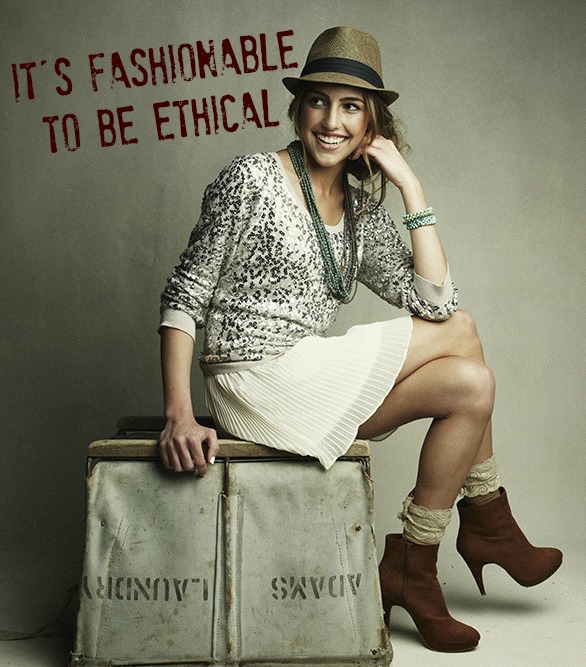
How Fashionable it is to be Ethical!

mulberry_MAIN_edited

Fashion! I just love it.  For a brief time in my early 20s I lived in New York City, the Bronx specifically.  The year following my college graduation I volunteered as a 6th, 7th and 8th grade teacher.  Let’s just say that teaching was a remarkably difficult (did I also mention that I moved there in late August of 2001) and a remarkably profound year, but that’s a different story for for a different day.

One of my most favorite things to do while I lived in New York was to check out what the women were wearing.  I grew up not caring much about fashion or how I dressed, in large part because I wore a school uniform until I was 18.  But living in NYC changed all that.  The clothing ranged from way laid back to way high fashion and I loved every bit of it and learned a lot too. On one very long train ride from lower Manhattan to the Bronx I ended up on the train with a woman wearing the coolest laid back outfit (a colorful Mexican inspired skirt with a zipped up sweatshirt…I thought ‘how cool is that’?). I promptly tracked down a similar outfit that weekend!

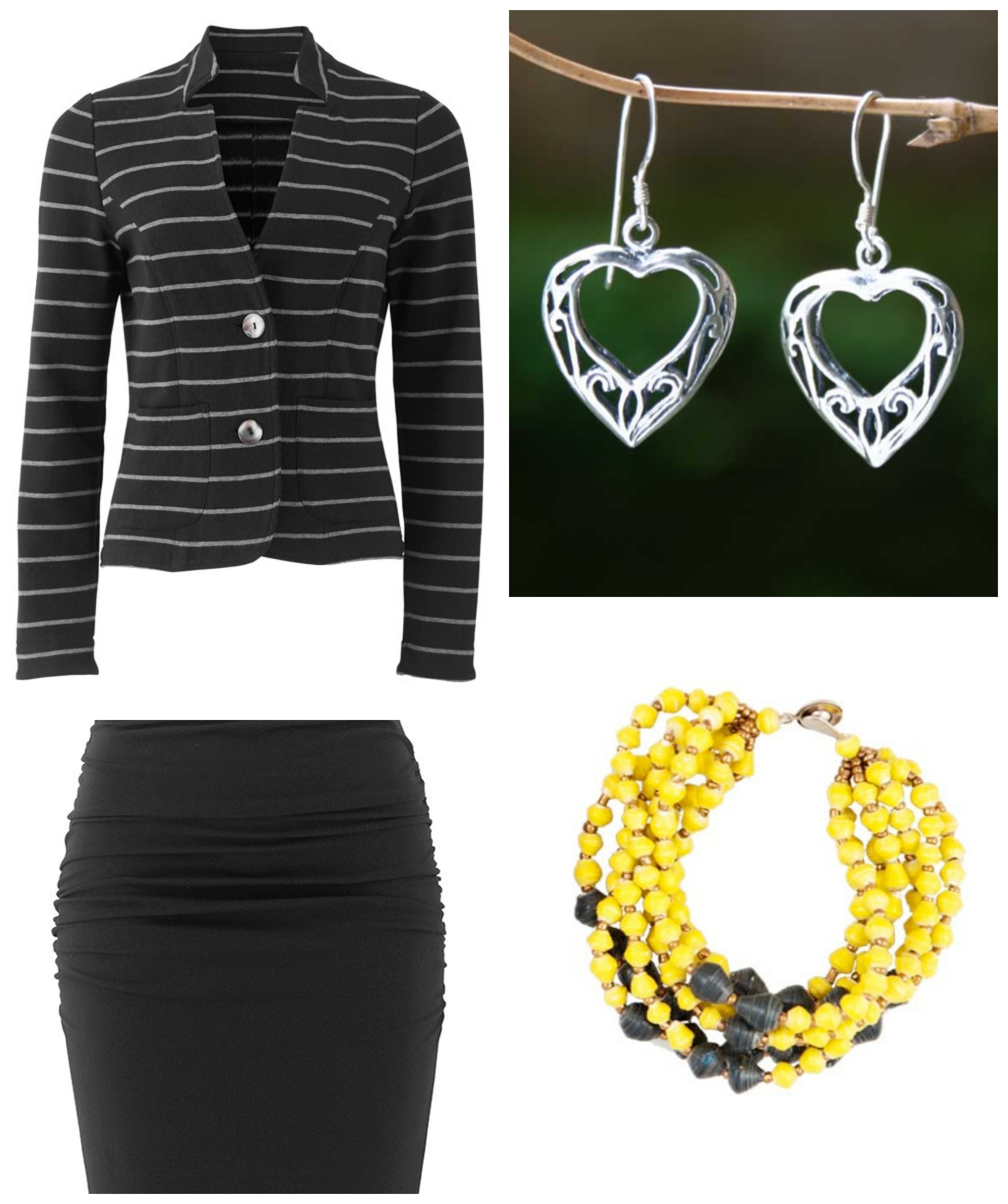
Now I’m head over heels in love with fashion, though my outfits don’t always show it, and I love putting outfits together in my head.  Today, I wanted to bring you a fair trade outfit idea that comes from the jewelry of Seven Hopes United and the clothes of the UK’s People Tree.

PicMonkey Collage_FT_outfit

I like to wear black a lot, it’s flattering and elegant and always chic.  This outfit would be great for work and you could wear a colorful little cami underneath, I would wear pink, or forgo it too, the blaze doesn’t seem to be too low-cut.  The earrings are simple but lovely and the bracelet adds just enough pop of color to brighten things up.

Sterling Silver Heart Earrings

31 Bits Penelope Bracelet

Black Stripe Hannah Blazer

Brooke Ruched Pencil Skirt

Happy Tuesday & I hope you enjoy! – Dawn

Fair Trade Jewelry for the New Year!

Fair trade jewelry is a great way to add some flair to your wardrobe year round. But if you’re needing a little fresh start this January, it’s especially perfect! I like New Year’s resolutions, but sometimes catch myself feeling guilty if the’re … well … less than noble. Read War and Peace or learn French? Sounds nice, but I’ll pass—I’m just going to add a little color to my wardrobe, thank you very much.

If you’re in that boat too, know that you can spruce up your outfits and make a true difference in others’ lives at the same time when you order fair trade jewelry. See, you CAN have the best of both worlds! :)

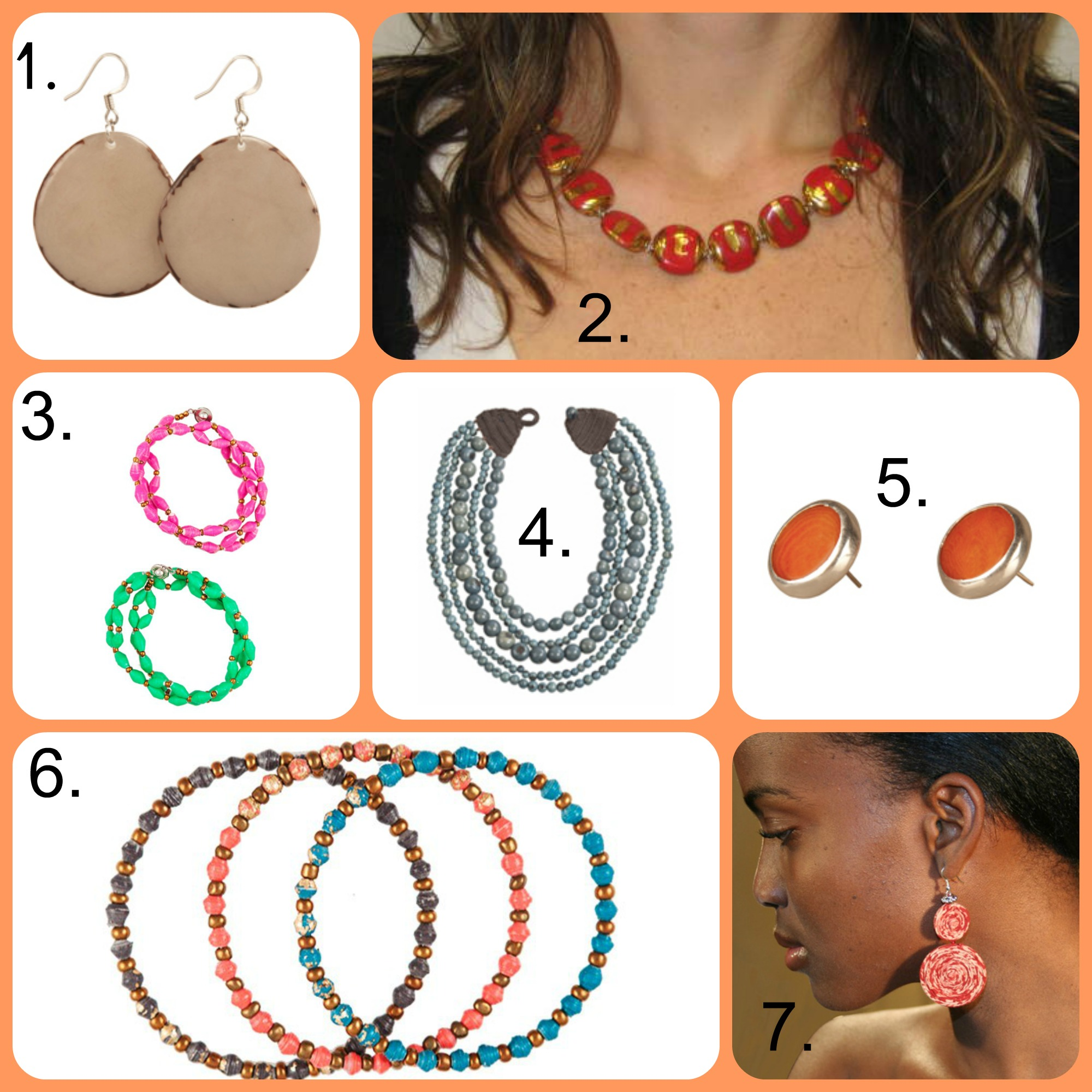
Some of my fave fair trade accessories this winter:

untitled

1. Soft Gray Tagua Chip Earrings

2. Pita Pat Necklace with 14 14 Karat Gold

3. 31BITS Guava Twist Bracelet

4. Cascade Necklace

5. Sunset Orange Sofia Tagua Earrings

6. 31BITS Twinkle Bangles

7. Kalamkari Spiral Earrings

These pieces come from all over the world, including Rwanda, Ecuador, and Uganda. Each purchase truly impacts lives in more ways than you can imagine. By buying fair trade jewelry, you empower artisans and help give them a means to sustainable income. They can then afford childcare, food, clothing, and shelter. Perhaps most importantly, your support helps to send their children to school, which helps iradicate the cycle of poverty for lasting change in their communities. Resolve to watch your dollars make a difference this year. And personally, I’m resolving to take a page from the fashion book of some of our artisans—these women know style! :)

XO,

Casey

New Year Resolutions

Happy New Year everyone! Do you have any New Year Resolutions? Or perhaps you are like many people I know and have chosen to opt out of the New Year Resolution tradition.  Generally, I too opt out but I thought that perhaps this year I would get on board as well.  I have decided on one short but poignant resolution.

new-year-quotes-0031

My New Year Resolution! To focus on the ability of the human spirit to triumph even at the greatest odds.

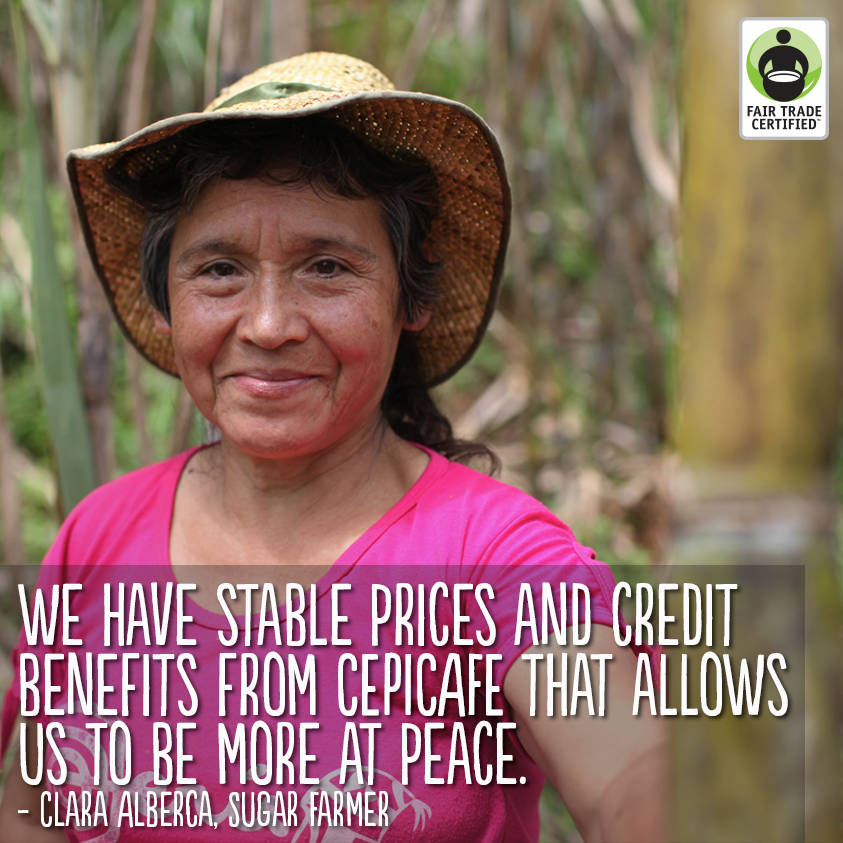
For the past several years I have had the privilege of working with refugees and asylum seekers who have persevered even under the most unimaginably difficult conditions. And I have, additionally, heard the stories of success of countless women, men and children who have been able to lift themselves out of poverty because of fair trade practices.  These stories give me hope and help me see my own potential so much more clearly.

1512665_10152094816374841_1573459901_n

It’s just one resolution but it is big one and I would like to incorporate this thought into all that I do.  Keeping the best of humanity in mind will affect how I treat strangers, what stores I buy from, what types of products I buy and how I treat myself and my loved ones.  We humans are imperfect but we are still capable of greatness and are still capable of creating a world in which all of us are able to triumph.

And I am proud to say that I work for Seven Hopes United, a business that embodies the idea that if given the opportunity our sisters and brothers in the developing world can succeed even against all odds.

Wishing you and yours a very happy 2014 – Dawn

Tasty Tuesday: NYE Food for Luck & Fortune!

Happy New Year’s Eve! We hope that this last day of 2013 is a happy one filled with joyous memories! And I’d also like to reflect on one of my favorite food related traditions, the New Year’s meals of luck and fortune.

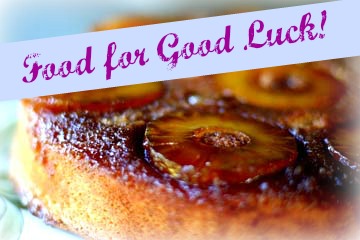
pick monkey pineapple-upside-down-cake

On New Year’s Day my family traditionally ate pork sausages with sauerkraut.  The pork represents progress because pigs push forward rooting themselves in the ground before moving. And I am not entirely certain if the sauerkraut held any deeper meaning than our love for its taste.

Another traditional New Year’s Day food are cakes and pastries especially round cakes.  The roundness signifies the old year coming to a close and the new one beginning with promises of a fresh start.

There are my two favorite foods for New Year’s Day.  And of course another very famous one hails from the south of the country, the menu of greens and black-eyed peas.  The greens represent dollar bills and the black-eyed peas coins.

Do you have a favorite food that you eat on the first of the New Year?

PicMonkey Collage_NYE


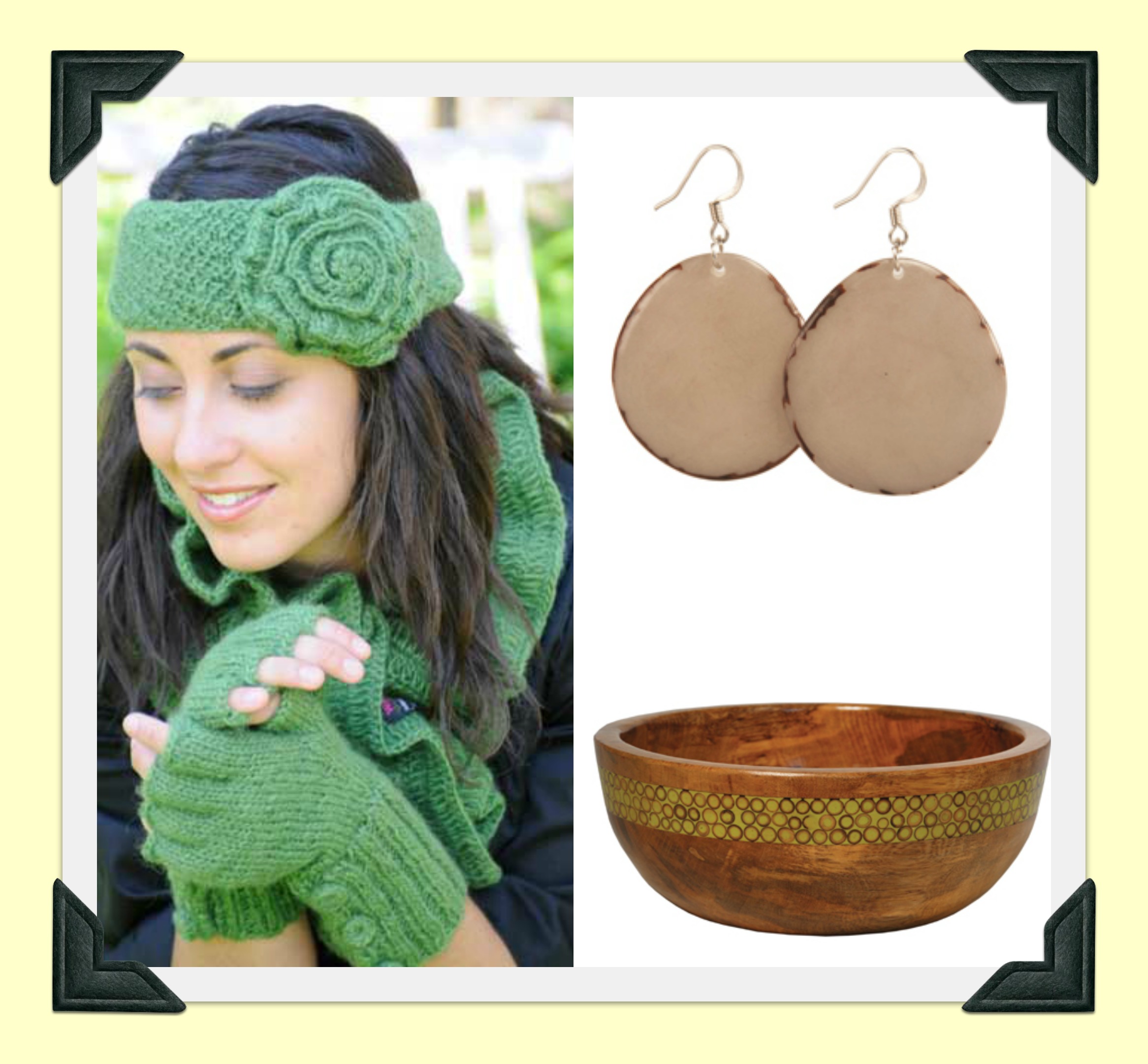
And may I also add a few of my favorite picks from Seven Hopes United that I think represent fortune and luck and which perhaps you’ll consider making a part of your New Year in 2014.

The Tagua Earrings in Soft Grey remind me of black-eyed peas and look like some of the old coins I’ve seen at museums!

Start the year of right with a healthy salad alone or shared with friends and family.  The beautiful Mango Wood Salad Bowl conjures the image of a less healthy (but still delicious) round pineapple upside down cake.

And finally, this festive green Knit Flower Headband summons images of the greenbacks of dollar bills!

“Be always at war with your vices, at peace with your neighbors, and let each New Year find you a better person.” — Benjamin Franklin

Happy New Year’s Eve! Dawn